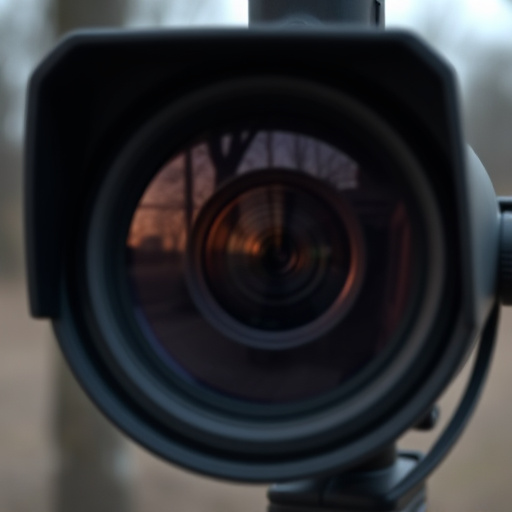
Camera lens glint, a subtle reflection indicating hidden surveillance, can be minimized through strategic material selection, angle adjustments, and lighting techniques like diffusing light sources. In low-light conditions, especially at night, shadows and reflections play crucial roles in detecting spy cameras. Advanced technologies such as infrared, thermal imaging, AI, and machine learning aid in uncovering hidden cameras. Discreet solutions include specialized lens coatings, polarizing filters, and mounting cameras at odd angles. Regular cleaning and staying updated on surveillance technology trends further enhance discretion.
Uncover hidden threats with our comprehensive guide on detecting camera lens glints at night. Understanding the subtle art of identifying spy cameras is crucial in today’s surveillance-conscious world. Nighttime, with its unique light and shadow dynamics, presents an optimal window for detection. This article delves into techniques ranging from basic observation to advanced tech, empowering you with practical tips to stealthily check for hidden cameras and conceal your own.
- Understanding Camera Lens Glint: The Spy Camera Indicator
- Why Nighttime is Key for Detection: Light and Shadow Play
- Techniques to Identify Glints in Low-Light Conditions
- Advanced Methods: Using Technology for Enhanced Visibility
- Practical Tips: Stealthily Checking for Hidden Cameras
Understanding Camera Lens Glint: The Spy Camera Indicator
Camera lens glint, often referred to as a ‘spy camera indicator’, is a subtle visual cue that can reveal the presence of hidden surveillance devices. It’s a phenomenon where light reflects off a smooth surface within the lens of a camera, creating a tiny flash or glimmer that’s nearly imperceptible to the naked eye in optimal conditions. However, under certain lighting scenarios, especially when viewed at a specific angle, this glint can be a telltale sign of hidden cameras. Understanding how and why this happens is crucial for both those looking to conceal spy cameras as well as individuals trying to identify them.
For those seeking to hide surveillance equipment, the key lies in minimizing reflective surfaces within or around the lens. This involves careful selection of materials, angles, and placement to break up potential glint patterns. Techniques such as angling the camera lens away from direct light sources, using diffused lighting, and incorporating non-reflective surfaces can significantly reduce the likelihood of detecting a hidden camera through its lens glint.
Why Nighttime is Key for Detection: Light and Shadow Play
In the realm of detecting hidden spy cameras, especially in low-light conditions, nighttime presents a unique and critical advantage. The interplay of light and shadow becomes an essential tool for professionals aiming to uncover clandestine surveillance devices. During the day, direct sunlight can easily expose the glint or reflection from camera lenses, making detection relatively straightforward with specialized equipment. However, as dusk falls and ambient light dims, this natural indicator disappears, requiring a shift in strategy.
Nighttime offers a different kind of lighting scenario, where shadows become more pronounced and intricate. This dynamic environment allows for more subtle glints to be revealed, as the camera’s lens reflection can now be seen against darker backgrounds or areas with reduced illumination. By utilizing infrared or thermal imaging technologies, professionals can further enhance these reflections, making it possible to detect even the most discreetly placed spy cameras. Thus, for those seeking to conceal spy cameras, the night becomes both a challenge and an opportunity, as it demands innovative methods to stay one step ahead of those trying to uncover them.
Techniques to Identify Glints in Low-Light Conditions
In low-light conditions, identifying glints from hidden spy cameras can be challenging but not impossible. Advanced imaging techniques play a crucial role in concealing spy cameras. One method involves utilizing specialized filters and image processing algorithms to reduce reflections. These tools can detect and minimize the subtle light echoes that indicate the presence of camera lenses, especially in dark environments.
Additionally, advanced software can analyze patterns and anomalies in images, helping to pinpoint suspicious glints. By combining these techniques, security professionals can enhance their ability to conceal spy cameras, ensuring a more effective approach to privacy protection in night-time surveillance scenarios.
Advanced Methods: Using Technology for Enhanced Visibility
In the pursuit of enhancing security measures, advanced methods for detecting hidden spy cameras have emerged, leveraging technology to improve visibility in low-light conditions. These innovative techniques often involve sophisticated sensors and image processing algorithms that can detect even the subtlest glints and reflections, common indicators of covert surveillance equipment. By integrating artificial intelligence (AI) and machine learning, these systems learn to identify patterns and anomalies that may be missed by traditional methods.
One cutting-edge approach uses thermal imaging technology, which detects heat signatures, to pinpoint devices emitting unusual heat, a telltale sign of hidden cameras. Additionally, advanced lens coatings and polarizing filters can help conceal spy cameras by reducing reflections. These technologies not only improve the effectiveness of camera detection but also offer discreet solutions, making it more challenging for would-be spies to establish their equipment undetected.
Practical Tips: Stealthily Checking for Hidden Cameras
When trying to conceal spy cameras, a stealthy approach is key. One practical tip is to use high-quality infrared lights or UV lighting in place of regular LEDs. These alternative lights are less likely to trigger glint detection methods since they don’t emit visible light. Additionally, mounting cameras at odd angles or using small, discrete lenses can help avoid the reflective surfaces that night-time detection algorithms look for.
To further enhance discretion, consider using a black or infrared-reflective coating on windows and other potential reflection points around your area of interest. Regularly cleaning these surfaces prevents any accidental glints that could alert others to the presence of hidden cameras. Always stay ahead of technology trends in surveillance; keeping up with advancements in both detection methods and countermeasures will ensure you maintain an effective yet concealed setup.
Detecting hidden spy cameras, especially at night, requires a keen eye and an understanding of light manipulation. By utilizing advanced techniques and technology, one can effectively navigate and conceal these devices. Through practical tips like examining surfaces for lens glints and leveraging low-light conditions, it’s possible to outsmart stealthy surveillance. Armed with this knowledge, individuals can protect their privacy and become more vigilant in identifying potential threats, ensuring a safer digital environment.